 Sofia Bauer
Electrical Wiring Diagrams for Light Switches
Electrical wiring diagrams for light switches are essential for any electrician or DIYer. They provide a visual representation of how the switch is wired, making it easier to troubleshoot and repair electrical problems. There are many different types of light switch wiring diagrams, but the most common is the single-pole switch diagram.
To create a single-pole light switch wiring diagram, you will need to know the following information:
- The type of light switch you are using
- The voltage of the electrical circuit
- The amperage of the electrical circuit
- The location of the light switch
- The location of the light fixture
Once you have this information, you can follow these steps to create a wiring diagram:
- Draw a line to represent the electrical circuit.
- Draw a circle to represent the light switch.
- Draw a line from the light switch to the light fixture.
- Label the lines with the voltage and amperage of the electrical circuit.
- Add any other necessary information, such as the location of the switch and the light fixture.
Here are some examples of light switch wiring diagrams:
- Single-pole switch diagram: This is the most common type of light switch wiring diagram. It is used for simple on/off switches.
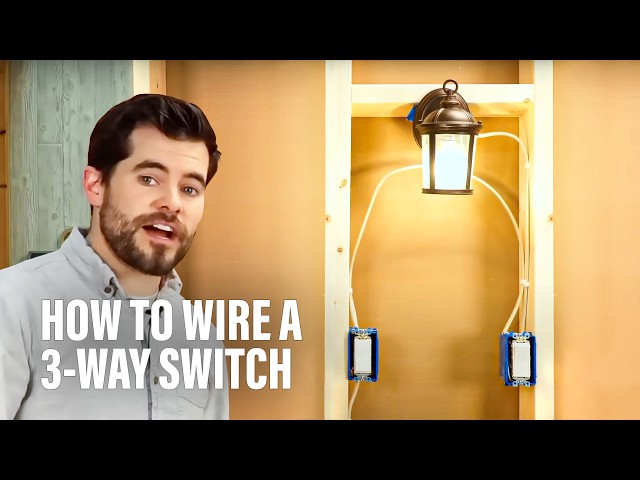
- Three-way switch diagram: This type of wiring diagram is used for switches that control a light from two different locations.
- Four-way switch diagram: This type of wiring diagram is used for switches that control a light from three or more different locations.
Electrical wiring diagrams for light switches are essential for any electrician or DIYer. They provide a visual representation of how the switch is wired, making it easier to troubleshoot and repair electrical problems.
Benefits of using electrical wiring diagrams for light switches:
- Easier to troubleshoot electrical problems
- Can help to prevent electrical fires
- Can save time and money
Tips for creating electrical wiring diagrams for light switches:
- Use a clear and concise style.
- Label all of the components in the diagram.
- Use different colors to represent different types of wires.
- Make sure the diagram is easy to read and understand.
By following these tips, you can create electrical wiring diagrams for light switches that are accurate, easy to read, and helpful for troubleshooting electrical problems.
Essential Aspects of Electrical Wiring Diagrams for Light Switches
Electrical wiring diagrams for light switches are essential for any electrician or DIYer. They provide a visual representation of how the switch is wired, making it easier to troubleshoot and repair electrical problems. There are many different aspects to consider when creating an electrical wiring diagram for a light switch, including the type of switch, the voltage and amperage of the circuit, and the location of the switch and light fixture.
- Type of switch: The type of switch you are using will determine the wiring diagram you need to create. The most common type of light switch is the single-pole switch, which is used for simple on/off switches. Other types of switches include three-way switches, four-way switches, and dimmer switches.
- Voltage and amperage: The voltage and amperage of the electrical circuit will also affect the wiring diagram. The voltage is the amount of electrical potential difference between two points, and the amperage is the amount of electrical current flowing through a circuit. You need to make sure that the switch you are using is rated for the voltage and amperage of the circuit.
- Location of switch and light fixture: The location of the switch and light fixture will also affect the wiring diagram. You need to make sure that the wires are long enough to reach from the switch to the light fixture, and that the wires are properly routed to avoid any potential hazards.
- Wire type: The type of wire you use will also affect the wiring diagram. The most common type of wire used for electrical wiring is copper wire. Copper wire is a good conductor of electricity and is relatively inexpensive. Other types of wire that can be used include aluminum wire and steel wire.
- Wire size: The size of the wire you use will also affect the wiring diagram. The size of the wire is determined by the amperage of the circuit. The larger the amperage, the larger the wire size you will need to use.
- Connections: The connections between the wires and the switch and light fixture are also important to consider. The connections should be secure and properly insulated to avoid any potential hazards.
- Safety: Electrical wiring can be dangerous, so it is important to take safety precautions when creating an electrical wiring diagram. Make sure that you are using the proper tools and materials, and that you are following all safety regulations.
By considering all of these aspects, you can create an electrical wiring diagram for a light switch that is safe, accurate, and easy to follow.
Type of switch
The type of switch you are using is an important factor to consider when creating an electrical wiring diagram for a light switch. The most common type of light switch is the single-pole switch, which is used for simple on/off switches. Single-pole switches have two terminals, one for the incoming power and one for the outgoing power to the light fixture. Three-way switches are used to control a light from two different locations. Three-way switches have three terminals, one for the incoming power, one for the outgoing power to the light fixture, and one for the traveler wire that connects the two switches. Four-way switches are used to control a light from three or more different locations. Four-way switches have four terminals, one for the incoming power, one for the outgoing power to the light fixture, and two for the traveler wires that connect the switches. Dimmer switches are used to control the brightness of a light. Dimmer switches have two terminals, one for the incoming power and one for the outgoing power to the light fixture.
It is important to choose the correct type of switch for the application. If you are not sure which type of switch to use, consult with a qualified electrician.
Once you have chosen the correct type of switch, you can begin to create the wiring diagram. The wiring diagram should include the following information:
- The type of switch
- The voltage and amperage of the circuit
- The location of the switch and light fixture
- The wire type and size
- The connections between the wires and the switch and light fixture
By following these steps, you can create an electrical wiring diagram for a light switch that is safe, accurate, and easy to follow.
Voltage and amperage
The voltage and amperage of the electrical circuit are important factors to consider when creating an electrical wiring diagram for a light switch. The voltage is the amount of electrical potential difference between two points, and the amperage is the amount of electrical current flowing through a circuit. The switch you are using must be rated for the voltage and amperage of the circuit in order to operate safely and effectively.
For example, if you are using a 120-volt light switch on a 240-volt circuit, the switch will not be able to handle the higher voltage and could overheat or even cause a fire. Similarly, if you are using a switch that is rated for 10 amps on a circuit that has a current of 15 amps, the switch will not be able to handle the higher amperage and could also overheat or cause a fire.
It is important to make sure that the switch you are using is rated for the voltage and amperage of the circuit before you begin wiring it. If you are not sure what the voltage and amperage of the circuit are, you can consult with a qualified electrician.
By following these steps, you can create an electrical wiring diagram for a light switch that is safe and accurate.
Location of switch and light fixture
The location of the switch and light fixture is an important factor to consider when creating an electrical wiring diagram for a light switch. The wires must be long enough to reach from the switch to the light fixture, and they must be properly routed to avoid any potential hazards. This means that the wires should be protected from damage, such as being pinched or cut, and they should not be run through areas where they could be exposed to moisture or heat.
- Wire length: The length of the wires will depend on the distance between the switch and the light fixture. It is important to make sure that the wires are long enough to reach from the switch to the light fixture without being too long. Too-long wires can be difficult to manage and can create a tripping hazard.
- Wire routing: The wires should be routed in a way that avoids any potential hazards. This means that the wires should be protected from damage, such as being pinched or cut, and they should not be run through areas where they could be exposed to moisture or heat. Wires can be routed through walls, ceilings, or floors, and they can be secured with staples or wire ties.
- Wire protection: The wires should be protected from damage by using conduit or wire loom. Conduit is a pipe that protects the wires from physical damage, and wire loom is a flexible tubing that protects the wires from moisture and heat. Wires should also be protected from overcurrent by using a circuit breaker or fuse.
By following these guidelines, you can create an electrical wiring diagram for a light switch that is safe and effective.
Wire type
The type of wire used in an electrical wiring diagram for a light switch is an important consideration. The most common type of wire used for electrical wiring is copper wire. Copper wire is a good conductor of electricity and is relatively inexpensive. Other types of wire that can be used include aluminum wire and steel wire.
- Copper wire is the most common type of wire used for electrical wiring because it is a good conductor of electricity and is relatively inexpensive. Copper wire is also easy to work with and can be bent and shaped without breaking.
- Aluminum wire is another type of wire that can be used for electrical wiring. Aluminum wire is not as good a conductor of electricity as copper wire, but it is lighter and less expensive. Aluminum wire is often used in overhead power lines.
- Steel wire is the least common type of wire used for electrical wiring. Steel wire is not a good conductor of electricity and is more difficult to work with than copper wire. Steel wire is sometimes used in grounding applications.
When choosing the type of wire to use for an electrical wiring diagram for a light switch, the following factors should be considered:
- The amperage of the circuit
- The voltage of the circuit
- The length of the wire run
- The cost of the wire
By considering these factors, you can choose the right type of wire for your application.
Wire size
The size of the wire used in an electrical wiring diagram for a light switch is an important consideration. The amperage of the circuit will determine the size of the wire that is needed. The larger the amperage, the larger the wire size that will be required. This is because a larger wire can carry more current without overheating.
- Wire gauge: The wire gauge is a measure of the thickness of the wire. The smaller the wire gauge, the thicker the wire. Wire gauge is typically measured in American Wire Gauge (AWG). The most common wire gauges used for electrical wiring are 12 AWG, 14 AWG, and 16 AWG.
- Current carrying capacity: The current carrying capacity of a wire is the amount of current that the wire can safely carry without overheating. The current carrying capacity of a wire is determined by the wire gauge and the type of insulation that is used.
- Voltage drop: Voltage drop is the loss of voltage that occurs when current flows through a wire. The voltage drop is caused by the resistance of the wire. The longer the wire, the greater the voltage drop. The larger the wire gauge, the lower the resistance and the lower the voltage drop.
When choosing the wire size for an electrical wiring diagram for a light switch, it is important to consider the amperage of the circuit, the length of the wire run, and the voltage drop. By considering these factors, you can choose the right wire size for your application.
Connections
In the context of electrical wiring diagrams for light switches, connections play a crucial role in ensuring the safety and functionality of the electrical system. Proper connections are essential to establish a complete circuit, allowing electricity to flow from the power source, through the switch, and to the light fixture. Without secure and well-insulated connections, there is an increased risk of electrical hazards, such as short circuits, overheating, and even electrical fires.
- Electrical Safety: Secure connections prevent loose wires and poor contact, which can lead to arcing and sparking. Proper insulation ensures that live wires do not come into contact with other conductive materials, reducing the risk of electrical shocks and fires.
- Circuit Continuity: Reliable connections maintain the integrity of the electrical circuit, allowing current to flow smoothly from the power source to the light fixture. Loose or disconnected wires can disrupt the circuit, causing the light to flicker, dim, or not turn on at all.
- Energy Efficiency: Properly insulated connections minimize energy loss due to resistance. Loose or poorly insulated connections create higher resistance, leading to wasted energy and reduced lighting efficiency.
- Compliance with Electrical Codes: Electrical wiring diagrams must adhere to established electrical codes and standards, which often specify the requirements for secure connections, insulation, and wire gauge. Meeting these standards ensures the safety and reliability of the electrical installation.
Overall, connections are a critical aspect of electrical wiring diagrams for light switches. By emphasizing the importance of secure and properly insulated connections, these diagrams help electricians and homeowners alike create safe and functional electrical systems.
Safety
In the context of “electrical wiring diagrams light switch”, safety is of paramount importance. Electrical wiring involves working with electricity, which can be hazardous if not handled properly. By incorporating safety measures into electrical wiring diagrams, electricians and homeowners can minimize the risks associated with electrical work.
-
Using Proper Tools and Materials:
Electrical wiring diagrams should specify the appropriate tools and materials required for the installation. This includes using insulated tools, rated for the voltage of the circuit, and ensuring that all materials meet electrical safety standards. Proper tools and materials help prevent electrical shocks, short circuits, and fires.
-
Following Safety Regulations:
Electrical wiring diagrams must adhere to established electrical safety regulations and codes. These regulations provide guidelines on safe practices, wire sizing, insulation requirements, and other aspects of electrical installations. By following these regulations, electricians can ensure the safety and reliability of the electrical system.
-
Clear and Accurate Diagrams:
Electrical wiring diagrams should be clear and easy to understand, minimizing the risk of misinterpretation or errors during installation. Accurate diagrams help electricians identify potential hazards and make informed decisions, reducing the likelihood of electrical accidents.
-
Grounding and Bonding:
Electrical wiring diagrams should incorporate proper grounding and bonding techniques. Grounding provides a safe path for fault currents to flow, protecting equipment and personnel from electrical shocks. Bonding ensures that all metal components are electrically connected, reducing the risk of voltage differentials and electrical hazards.
By emphasizing safety in electrical wiring diagrams for light switches, these diagrams serve as valuable tools for ensuring the safe installation and operation of electrical systems. By incorporating safety measures and adhering to regulations, electricians and homeowners can create and maintain safe and functional electrical environments.
Electrical wiring diagrams for light switches are visual representations of how a light switch is connected to an electrical circuit. They provide a clear and concise way to understand the electrical connections and the path of electricity flow when the switch is operated.
Electrical wiring diagrams for light switches are essential for electricians, homeowners, and anyone working with electrical systems. They are used for troubleshooting electrical problems, designing new electrical installations, and ensuring the safety and functionality of lighting systems. By following the diagram, one can easily identify the wires, terminals, and components involved in the light switch circuit, making it easier to diagnose and resolve any issues.
Creating an electrical wiring diagram for a light switch involves understanding the electrical circuit, the type of switch being used, and the desired functionality. The diagram should include details such as the wire color coding, the connection points, the switch terminals, and any additional components like dimmers or timers. Proper labeling and annotations are crucial for clarity and ease of use.
FAQs on Electrical Wiring Diagrams for Light Switches
Electrical wiring diagrams for light switches are essential for understanding and working with electrical systems. Here are answers to some frequently asked questions about these diagrams:
Question 1: What is the purpose of an electrical wiring diagram for a light switch?
An electrical wiring diagram for a light switch provides a visual representation of how the switch is connected to the electrical circuit. It shows the path of electricity flow when the switch is operated, making it easier to troubleshoot problems, design new installations, and ensure safety.
Question 2: What information is included in an electrical wiring diagram for a light switch?
A wiring diagram for a light switch typically includes details such as the wire color coding, the connection points, the switch terminals, and any additional components like dimmers or timers. Proper labeling and annotations are crucial for clarity and ease of use.
Question 3: How do I create an electrical wiring diagram for a light switch?
Creating an electrical wiring diagram for a light switch involves understanding the electrical circuit, the type of switch being used, and the desired functionality. The diagram should include details such as the wire color coding, the connection points, the switch terminals, and any additional components like dimmers or timers. Proper labeling and annotations are crucial for clarity and ease of use.
Question 4: Why is it important to use electrical wiring diagrams for light switches?
Electrical wiring diagrams for light switches are important because they provide a clear and concise way to understand the electrical connections and the path of electricity flow. This information is essential for troubleshooting electrical problems, designing new electrical installations, and ensuring the safety and functionality of lighting systems.
Question 5: What are some common mistakes to avoid when creating electrical wiring diagrams for light switches?
Some common mistakes to avoid include using unclear or inaccurate symbols, omitting important details, and failing to label wires and components properly. Additionally, it is crucial to ensure that the diagram adheres to electrical codes and safety regulations.
Question 6: Where can I find more information about electrical wiring diagrams for light switches?
There are several resources available online and in libraries that provide detailed information about electrical wiring diagrams for light switches. Electrical textbooks, technical manuals, and articles written by qualified electricians can be helpful resources for gaining a deeper understanding of these diagrams.
Electrical wiring diagrams for light switches are valuable tools for understanding and working with electrical systems. By following the guidelines and best practices outlined in this FAQ, you can create accurate and informative diagrams that contribute to the safety and functionality of your electrical installations.
Next Section: Tips for Troubleshooting Electrical Wiring Diagrams for Light Switches
Conclusion
Electrical wiring diagrams for light switches play a critical role in the design, installation, and maintenance of electrical systems. They provide a visual representation of how a light switch is connected to the electrical circuit, making it easier to understand the path of electricity flow and troubleshoot any issues. By adhering to electrical codes and safety regulations, and using clear and accurate symbols and labeling, electrical wiring diagrams for light switches contribute to the safety and functionality of lighting systems.
The exploration of “electrical wiring diagrams light switch” in this article has highlighted the importance of these diagrams for electricians, homeowners, and anyone working with electrical systems. By understanding the principles behind these diagrams, and by following best practices in their creation and interpretation, we can ensure the safe and efficient operation of our electrical installations.
Youtube Video: