 Sofia Bauer
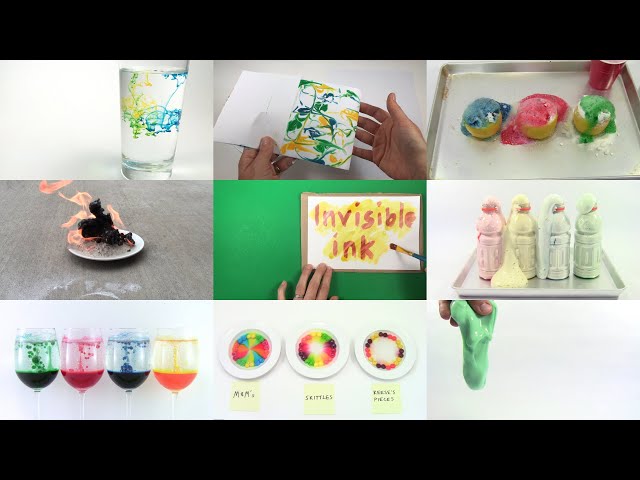
Science fair projects related to food encompass a vast range of topics that explore the science behind food, nutrition, and culinary arts. These projects provide students with hands-on opportunities to investigate questions and test hypotheses about food-related phenomena.
Science fair projects related to food offer numerous benefits to students. They foster critical thinking skills, problem-solving abilities, and experimental design techniques. By engaging in scientific inquiry, students develop a deeper understanding of the food they eat and its impact on their health and the environment. Furthermore, these projects promote collaboration, teamwork, and communication skills as students work together to design, conduct, and present their findings.
The topics explored in science fair projects related to food are diverse and ever-evolving. Some popular areas of investigation include:
- The effects of different cooking methods on nutrient content
- The shelf life and spoilage of food
- The development of new food products
- The impact of food additives and preservatives
- The role of food in cultural and societal contexts
Science fair projects related to food provide a valuable platform for students to engage in authentic scientific research and develop a passion for food science and nutrition. By fostering inquiry-based learning and hands-on exploration, these projects contribute to a deeper understanding of the complex world of food and its significance in our daily lives.
Science Fair Projects Related to Food
Science fair projects related to food encompass a wide range of topics that explore the science behind food, nutrition, and culinary arts. These projects provide students with opportunities to investigate questions and test hypotheses about food-related phenomena, while developing critical thinking and problem-solving skills.
- Nutrition and Health: Investigating the nutritional value of different foods and their impact on health.
- Food Safety: Exploring methods to prevent food spoilage and ensure food safety.
- Culinary Science: Experimenting with different cooking techniques and ingredients to understand their effects on flavor and texture.
- Food Technology: Developing new food products or improving existing ones through scientific innovation.
- Sustainability: Examining the environmental impact of food production and consumption, and exploring sustainable practices.
- Food Culture: Investigating the role of food in different cultures and its impact on society.
- Science Communication: Effectively communicating scientific findings related to food to diverse audiences.
These key aspects highlight the diverse and interdisciplinary nature of science fair projects related to food. By engaging in these projects, students develop a deeper understanding of the complex world of food and its significance in our daily lives, while also fostering their scientific inquiry and communication skills.
Nutrition and Health
In the context of science fair projects related to food, exploring nutrition and health involves investigating the nutritional content of various foods and their effects on human health. This facet of food science encompasses a wide range of topics, including:
- Nutrient Analysis: Determining the amounts and types of nutrients present in different foods, such as carbohydrates, proteins, fats, vitamins, and minerals.
- Dietary Guidelines: Examining the recommendations and guidelines for healthy eating patterns, including the balance of macronutrients, micronutrients, and food groups.
- Disease Prevention: Investigating the role of specific nutrients and food components in preventing chronic diseases such as heart disease, diabetes, and obesity.
- Personalized Nutrition: Exploring the concept of tailoring nutritional recommendations based on individual factors such as genetics, lifestyle, and health status.
By engaging in science fair projects related to nutrition and health, students can gain a deeper understanding of the complex relationship between food and health. They can also develop practical skills in nutrition assessment, dietary analysis, and scientific communication.
Food Safety
Food safety is a critical aspect of science fair projects related to food. It involves investigating methods to prevent food spoilage and ensure the safety of food for consumption. Food spoilage can occur due to various factors, including microbial growth, enzymatic reactions, and chemical changes. Understanding the causes of food spoilage and developing effective prevention methods are essential for maintaining food quality and safety.
Science fair projects related to food safety can explore a wide range of topics, such as:
- Microbial Growth and Food Spoilage: Investigating the role of microorganisms in food spoilage and developing methods to inhibit their growth.
- Food Preservation Techniques: Exploring different food preservation techniques, such as refrigeration, freezing, canning, and drying, and their effectiveness in preventing spoilage.
- Foodborne Pathogens: Studying the characteristics and transmission of foodborne pathogens, and developing strategies to prevent foodborne illnesses.
- Food Safety Regulations and Standards: Examining the role of government regulations and industry standards in ensuring food safety.
By engaging in science fair projects related to food safety, students can gain a deeper understanding of the importance of food safety practices and develop practical skills in food handling, preservation, and quality control. These projects contribute to the broader goal of promoting public health and ensuring the availability of safe and nutritious food for all.
Culinary Science
Culinary science, as a component of science fair projects related to food, plays a crucial role in exploring the intricate relationship between cooking techniques, ingredients, and their impact on the sensory attributes of food. By experimenting with various cooking methods and ingredient combinations, students can gain a scientific understanding of how these factors influence the flavor, texture, and overall quality of food.
Science fair projects in culinary science often involve investigating the effects of different cooking techniques on the chemical and physical properties of food. For example, students may examine how grilling, roasting, or steaming affects the tenderness, juiciness, and flavor of meat. They may also explore the role of marinades, rubs, and seasonings in enhancing the taste and aroma of food.
Understanding the principles of culinary science is not only essential for creating delicious and visually appealing dishes but also has practical applications in the food industry. Chefs and food scientists utilize their knowledge of culinary science to develop new products, improve food quality, and ensure consistency in food preparation. Moreover, culinary science contributes to the preservation of culinary traditions and the exploration of innovative cooking techniques.
In summary, culinary science, as a component of science fair projects related to food, provides a unique platform for students to investigate the scientific foundations of cooking. Through experimentation and analysis, they develop a deeper understanding of how different cooking techniques and ingredients affect the flavor, texture, and quality of food, fostering creativity and innovation in the culinary arts.
Food Technology
Food technology plays a significant role in the realm of science fair projects related to food. It involves the application of scientific principles and technological advancements to develop new food products or improve existing ones. Students undertaking such projects have the opportunity to explore various facets of food technology, including:
- Product Development: Designing and creating new food products that meet specific market needs or address nutritional challenges. Examples include developing plant-based meat alternatives, gluten-free baked goods, or fortified foods.
- Food Preservation: Investigating and implementing methods to extend the shelf life and maintain the quality of food products. This may involve exploring innovative packaging technologies, natural preservatives, or controlled storage conditions.
- Sensory Evaluation: Conducting sensory tests to evaluate the taste, texture, aroma, and appearance of food products. Students can learn about consumer preferences, optimize product formulations, and develop strategies to improve sensory appeal.
- Food Safety and Quality Control: Applying scientific principles to ensure the safety and quality of food products throughout the production process. This includes implementing Hazard Analysis and Critical Control Points (HACCP) systems, monitoring food safety parameters, and developing quality control procedures.
By engaging in science fair projects related to food technology, students not only gain hands-on experience in developing and evaluating food products but also develop a deeper understanding of the scientific principles underlying food innovation. These projects contribute to the advancement of food science and technology, leading to the creation of healthier, more sustainable, and more enjoyable food products for consumers.
Sustainability
In the context of science fair projects related to food, sustainability has emerged as a crucial area of investigation. It encompasses the examination of the environmental impact of food production and consumption, as well as the exploration of sustainable practices to mitigate these impacts. By engaging in such projects, students gain a deeper understanding of the intricate relationship between food systems and the environment.
Science fair projects related to sustainability in food can take various forms. Students may conduct life cycle assessments to evaluate the environmental footprint of different food products, from farm to fork. They may also investigate sustainable agricultural practices, such as organic farming, regenerative agriculture, and precision farming, and assess their effectiveness in reducing environmental impacts. Furthermore, students can explore innovative food production systems, such as vertical farming and urban agriculture, which offer promising solutions for sustainable food production in space-constrained environments.
The practical significance of understanding sustainability in food systems cannot be overstated. By conducting science fair projects related to sustainability, students develop critical thinking skills and problem-solving abilities that empower them to make informed choices about food consumption and production. They learn to evaluate the environmental consequences of their food choices and advocate for sustainable practices that protect the planet for future generations.
Food Culture
Science fair projects related to food offer a unique opportunity to explore the rich tapestry of food culture and its profound impact on society. By examining the diverse roles that food plays in different cultures, students can develop a deeper understanding of human behavior, history, and social dynamics.
- Food and Identity: Investigating the ways in which food shapes individual and collective identities, reflecting cultural heritage, values, and traditions.
- Food and Community: Exploring the role of food in fostering community bonds, bringing people together for shared meals, celebrations, and cultural rituals.
- Food and Religion: Examining the intricate relationship between food and religion, including dietary restrictions, ritualistic practices, and the symbolic significance of certain foods.
- Food and Economics: Analyzing the economic aspects of food production, distribution, and consumption, considering factors such as trade, food security, and the impact on local and global economies.
Science fair projects related to food culture not only provide students with a platform to showcase their research skills but also empower them to become more culturally sensitive and globally aware individuals. By delving into the diverse culinary practices and traditions of different societies, they gain a deeper appreciation for the richness and complexity of human culture.
Science Communication
In the realm of science fair projects related to food, effective science communication plays a pivotal role in disseminating research findings to diverse audiences. By bridging the gap between scientific knowledge and public understanding, students can amplify the impact of their projects and contribute to broader societal discourse on food-related issues.
- Translating Complex Concepts: Science communication involves translating complex scientific findings into accessible language that resonates with non-expert audiences. Students can employ storytelling techniques, analogies, and visual aids to make their research relatable and engaging.
- Utilizing Multiple Platforms: Effective science communication encompasses utilizing various platforms to reach a wider audience. This may include creating engaging presentations, developing informative websites, or utilizing social media to share their findings in a concise and visually appealing manner.
- Addressing Misinformation: In an era of widespread misinformation, science communication becomes even more critical. Students can actively debunk myths and address misconceptions related to food science, promoting evidence-based information and fostering critical thinking among the public.
- Engaging with Stakeholders: Science communication extends beyond disseminating findings to include engaging with stakeholders, such as policymakers, industry professionals, and community organizations. By establishing collaborations and fostering dialogue, students can ensure that their research has a tangible impact on decision-making and societal change.
By mastering the art of science communication, students involved in science fair projects related to food empower themselves to become effective advocates for science and contribute to a more informed and scientifically literate society.
FAQs on Science Fair Projects Related to Food
Science fair projects related to food provide an opportunity for students to explore the fascinating world of food science and nutrition. Here are answers to some frequently asked questions about these projects:
Question 1: What are some unique science fair project ideas related to food?
Students can investigate a wide range of topics, including the effects of different cooking methods on nutrient content, the shelf life and spoilage of food, and the development of new food products. They can also explore the role of food in cultural and societal contexts.
Question 2: What are the benefits of conducting science fair projects related to food?
These projects foster critical thinking skills, problem-solving abilities, and experimental design techniques. They also promote collaboration, teamwork, and communication skills. By engaging in scientific inquiry, students develop a deeper understanding of the food they eat and its impact on their health and the environment.
Question 3: Are there any resources available to help students with their science fair projects related to food?
Yes, there are numerous resources available online and in libraries. Science teachers, mentors, and experts in the field can also provide guidance and support.
Question 4: How can students ensure the safety of their science fair projects related to food?
Students must adhere to all laboratory safety protocols and follow proper food handling and storage procedures. They should also consult with their teachers or mentors to identify potential hazards and develop appropriate risk mitigation strategies.
Question 5: How are science fair projects related to food judged?
Projects are typically evaluated based on their scientific rigor, creativity, and presentation. Judges consider the clarity of the research question, the methodology used, the analysis of results, and the overall quality of the project display and presentation.
Question 6: What are some tips for students who want to excel in science fair projects related to food?
Students should choose a topic that they are passionate about, conduct thorough research, develop a well-designed experiment, and practice presenting their findings clearly and effectively. They should also seek feedback from their teachers, mentors, and peers throughout the project.
Science fair projects related to food offer a valuable platform for students to engage in authentic scientific research and develop a passion for food science and nutrition. By fostering inquiry-based learning and hands-on exploration, these projects contribute to a deeper understanding of the complex world of food and its significance in our daily lives.
Transition to the next article section:
Tips for Science Fair Projects Related to Food
Science fair projects related to food offer a unique opportunity for students to explore the fascinating world of food science and nutrition. Here are some tips to help students excel in their projects:
Tip 1: Choose a Topic that You are Passionate About
When choosing a topic for your science fair project, it is important to select something that you are genuinely interested in. This will make the research and experimentation process more enjoyable and will help you to stay motivated throughout the project.
Tip 2: Conduct Thorough Research
Before you begin your experiment, it is important to conduct thorough research on your topic. This will help you to understand the background of your project and to develop a clear hypothesis.
Tip 3: Develop a Well-Designed Experiment
The success of your science fair project will depend on the quality of your experiment. Make sure to design an experiment that is clear, concise, and easy to follow. It is also important to use appropriate controls and to measure your results accurately.
Tip 4: Practice Presenting Your Findings Clearly and Effectively
Once you have completed your experiment, you will need to present your findings to a panel of judges. It is important to practice your presentation so that you can deliver it clearly and effectively. Make sure to use visuals and to highlight the most important aspects of your project.
Tip 5: Seek Feedback from Others
Throughout the project, seek feedback from your teacher, mentor, or peers. This feedback can help you to identify areas where you can improve your project.
By following these tips, you can increase your chances of success in your science fair project related to food. These projects are a great way to learn about food science and nutrition, and they can also help you to develop important skills in research, experimentation, and communication.
Conclusion
Science fair projects related to food provide students with an engaging and hands-on approach to exploring the fascinating world of food science and nutrition. Through experimentation and research, students can develop a deeper understanding of the properties of food, the impact of food on health, and the role of food in cultural and societal contexts.
Science fair projects related to food not only foster critical thinking and problem-solving skills but also promote collaboration, teamwork, and communication. By conducting these projects, students gain valuable experience in scientific inquiry and develop a passion for food science and nutrition. These projects contribute to a broader understanding of the complex relationship between food and our daily lives and inspire future generations of scientists, researchers, and food enthusiasts.
Youtube Video: