 Sofia Bauer
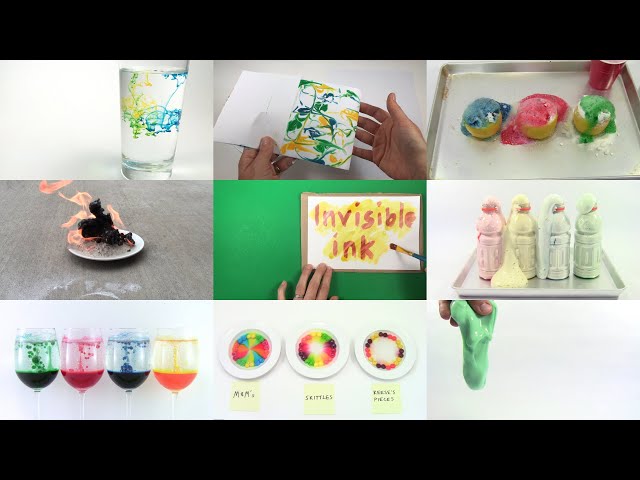
Science fair project ideas for 4th grade are engaging and educational activities that can help students learn about science in a fun and hands-on way. These projects can be on any topic related to science, such as biology, chemistry, physics, or earth science. They can be simple or complex, and they can be done individually or in groups.
Science fair projects are a great way for students to develop their critical thinking, problem-solving, and communication skills. They also allow students to learn about the scientific method and how to conduct a scientific investigation. In addition, science fair projects can help students to become more interested in science and to pursue further studies in the field.
If you are looking for science fair project ideas for 4th grade, there are many resources available online and in libraries. You can also ask your child’s teacher for suggestions. Once you have chosen a project, be sure to provide your child with the necessary materials and support to complete the project successfully.
Science Fair Project Ideas for 4th Grade
Science fair projects are a great way for students to learn about science in a fun and hands-on way. They can help students develop their critical thinking, problem-solving, and communication skills. When choosing a science fair project, it is important to consider the student’s interests and abilities. The project should be challenging enough to be interesting, but not so difficult that the student becomes discouraged.
- Age-appropriate: Projects should be designed for the age and ability level of 4th grade students.
- Engaging: Projects should be interesting and fun for students to work on.
- Educational: Projects should help students learn about science and the scientific method.
- Feasible: Projects should be able to be completed within the time frame and with the resources available.
- Safe: Projects should not pose any safety hazards to students.
- Fun: Projects should be enjoyable for students to work on.
- Relevant: Projects should be related to the science curriculum and the student’s interests.
By considering these factors, you can help your 4th grader choose a science fair project that is both educational and enjoyable.
Age-appropriate
Science fair projects for 4th grade should be age-appropriate in terms of the complexity of the project, the materials required, and the safety precautions that need to be taken. Projects that are too complex or require materials that are difficult to obtain or use safely may be frustrating for students and could lead to accidents. Projects that are too simple, on the other hand, may not be challenging enough to hold students’ interest.
- Complexity: Science fair projects for 4th grade should be challenging enough to be interesting, but not so difficult that students become discouraged. Projects should involve some research and experimentation, but they should not require students to have advanced knowledge or skills.
- Materials: The materials required for science fair projects should be readily available and easy to use. Projects should not require students to use dangerous chemicals or equipment.
- Safety: Science fair projects should be designed with safety in mind. Students should be aware of any potential hazards associated with their projects and should take appropriate precautions to avoid accidents.
By considering the age and ability level of 4th grade students when choosing a science fair project, you can help ensure that the project is both educational and enjoyable.
Engaging
Science fair projects for 4th grade should be engaging and fun for students to work on in order to capture their interest and motivate them to learn. Projects that are interesting and enjoyable for students are more likely to be completed successfully and to result in a positive learning experience.
- Relevance to Students’ Interests: Science fair projects that are relevant to students’ interests are more likely to be engaging and enjoyable for them. When choosing a project, consider the student’s hobbies, favorite subjects, and career aspirations.
- Hands-on Activities: Hands-on activities are a great way to engage students in learning. Science fair projects that involve hands-on activities, such as building a model, conducting an experiment, or creating a presentation, are more likely to be interesting and fun for students.
- Opportunities for Creativity: Science fair projects that allow students to be creative are more likely to be engaging and enjoyable for them. Projects that involve designing an experiment, building a model, or creating a presentation provide students with the opportunity to express their creativity and to learn in a more meaningful way.
- Real-World Applications: Science fair projects that have real-world applications are more likely to be engaging and enjoyable for students. Projects that demonstrate how science can be used to solve real-world problems are more likely to capture students’ interest and to motivate them to learn.
By considering these factors when choosing a science fair project, you can help ensure that the project is both engaging and educational for your 4th grade student.
Educational
Science fair projects for 4th grade should be educational and help students learn about science and the scientific method. This means that projects should involve some research and experimentation, and they should allow students to develop their critical thinking and problem-solving skills. Projects should also be designed so that students can learn about the scientific method and how it is used to conduct scientific investigations.
- Understanding the Scientific Method: Science fair projects should help students understand the scientific method and how it is used to conduct scientific investigations. Students should be able to identify the steps of the scientific method (e.g., making observations, forming a hypothesis, conducting an experiment, analyzing data, and drawing conclusions) and apply them to their projects.
- Developing Critical Thinking Skills: Science fair projects should help students develop critical thinking skills by encouraging them to ask questions, investigate problems, and analyze data. Students should be able to identify variables, control for variables, and draw conclusions based on their data.
- Solving Problems: Science fair projects should help students develop problem-solving skills by encouraging them to identify problems, develop solutions, and test their solutions. Students should be able to troubleshoot problems and find creative solutions.
- Learning about Science: Science fair projects should help students learn about science by exposing them to different scientific concepts and principles. Students should be able to apply their knowledge of science to their projects and to explain their findings in a clear and concise manner.
By incorporating these educational components into science fair projects, teachers and parents can help students learn about science and the scientific method in a fun and engaging way.
Feasible
When choosing science fair project ideas for 4th grade, it is important to consider the feasibility of the project. This means that the project should be able to be completed within the time frame and with the resources available. Projects that are too ambitious or that require materials that are difficult to obtain or use safely may be frustrating for students and could lead to accidents.
There are a number of factors to consider when assessing the feasibility of a science fair project. These factors include:
- Time: The project should be able to be completed within the time frame allotted for the science fair. This includes the time needed to research the topic, gather materials, conduct the experiment, and prepare the presentation.
- Resources: The project should be able to be completed with the resources that are available to the student. This includes the materials, equipment, and space needed to conduct the experiment.
- Safety: The project should not pose any safety hazards to the student or others. This includes using hazardous chemicals or equipment, or conducting experiments that could cause harm to people or animals.
By considering the feasibility of a science fair project, teachers and parents can help students choose a project that is both educational and enjoyable.
Conclusion:
Feasibility is an important consideration when choosing science fair project ideas for 4th grade. By considering the time frame, resources, and safety factors involved, teachers and parents can help students choose a project that is both educational and enjoyable.
Safe
Science fair project ideas for 4th grade should prioritize safety to ensure the well-being of students throughout the project’s duration. This is of paramount importance as students may not possess the experience and knowledge to identify and mitigate potential hazards associated with scientific investigations. Therefore, it is imperative that project ideas are carefully evaluated to eliminate any elements that could endanger students, such as handling hazardous chemicals, operating sharp or electrical equipment without proper supervision, or conducting experiments that involve open flames or high temperatures.
Incorporating safety into science fair project ideas for 4th grade requires a proactive approach. Teachers and parents should collaborate to identify potential hazards and develop strategies to minimize risks. This may involve providing students with age-appropriate safety training, ensuring they have access to appropriate personal protective equipment, and supervising experiments closely. By prioritizing safety, educators can foster a positive and productive learning environment where students can engage in scientific exploration without compromising their well-being.
The importance of safety in science fair project ideas for 4th grade cannot be overstated. By adhering to safety guidelines and conducting experiments responsibly, students can develop valuable scientific inquiry skills while safeguarding their health and the environment. This not only enhances the educational experience but also instills in students a respect for safety practices that will serve them well throughout their academic and personal lives.
Fun
Integrating fun into science fair project ideas for 4th grade is crucial for fostering a positive learning experience and maximizing student engagement. When students enjoy their projects, they are more likely to be motivated, creative, and persistent in their investigations. This, in turn, leads to deeper understanding and retention of scientific concepts.
- Creativity and Innovation: Fun projects encourage students to think outside the box and approach scientific exploration with creativity and imagination. This can lead to novel ideas, innovative solutions, and a deeper appreciation for the beauty and wonder of science.
- Intrinsic Motivation: When students enjoy their projects, they are driven by intrinsic motivation, which is a powerful force that sustains their efforts and promotes self-directed learning. This type of motivation is essential for fostering a lifelong love of science.
- Collaboration and Teamwork: Fun projects provide opportunities for students to collaborate and work together in teams. This can enhance their communication, teamwork, and problem-solving skills, which are valuable assets both inside and outside the classroom.
- Positive Attitudes: Fun projects create a positive and supportive learning environment where students feel comfortable taking risks, asking questions, and sharing their ideas. This positive attitude towards science can extend beyond the classroom and shape students’ future endeavors.
By incorporating fun into science fair project ideas for 4th grade, educators can make scientific exploration an enjoyable and rewarding experience for students. This approach not only enhances their understanding of science but also cultivates their creativity, motivation, collaboration skills, and positive attitudes towards learning.
Relevant
In the context of science fair project ideas for 4th grade, the relevance of the project to the science curriculum and the student’s interests is of paramount importance. This connection serves as a foundation for effective and engaging learning experiences that promote deeper understanding and foster a genuine passion for scientific inquiry.
Firstly, when projects align with the science curriculum, students can make meaningful connections between the concepts they learn in class and their hands-on investigations. This reinforces their understanding of scientific principles and allows them to apply their knowledge in practical ways. By exploring topics directly related to the curriculum, students can develop a comprehensive grasp of scientific concepts and prepare for future academic endeavors.
Furthermore, catering to the student’s interests sparks their curiosity and intrinsic motivation. When students are passionate about the topic they are investigating, they are more likely to invest time and effort into their projects. This leads to higher levels of engagement, creativity, and perseverance throughout the project development process.
Moreover, relevant projects can help students develop transferable skills that extend beyond the classroom. By working on projects that align with their interests, students can cultivate critical thinking, problem-solving, and communication abilities. These skills are essential for success in various academic disciplines and future careers.
In conclusion, the relevance of science fair project ideas to the science curriculum and the student’s interests is a crucial factor in fostering effective learning experiences for 4th graders. By carefully considering these aspects, educators can provide students with opportunities to engage in meaningful scientific investigations that ignite their curiosity, deepen their understanding, and prepare them for future success.
FAQs on Science Fair Project Ideas for 4th Grade
Science fair projects provide an excellent opportunity for students to engage in hands-on learning, develop critical thinking skills, and explore their interests in science. To ensure a successful and rewarding experience for 4th graders, here are answers to some commonly asked questions:
Question 1: What are some age-appropriate project ideas for 4th grade?
Projects should align with the abilities and interests of 4th graders. Consider topics such as investigating the effects of different liquids on plant growth, building a simple machine, or creating a model of a natural ecosystem.Question 2: How can I make the project fun and engaging for students?
Incorporate elements that spark curiosity and excitement. Choose topics that align with students’ hobbies or interests, provide opportunities for hands-on experimentation, and encourage creativity and imagination.Question 3: What is the importance of safety in science fair projects?
Safety should be a top priority. Select projects that minimize potential hazards and provide clear safety guidelines. Ensure students have adequate supervision and access to appropriate safety gear.Question 4: How can I ensure the project is aligned with the science curriculum?
Review the science curriculum and identify topics that can be explored through hands-on projects. This will reinforce classroom learning and provide practical applications of scientific concepts.Question 5: What are some tips for choosing a project that aligns with my child’s interests?
Engage your child in discussions about their hobbies, favorite subjects, and career aspirations. Explore project ideas related to these interests to foster their enthusiasm and motivation.Question 6: How can I support my child throughout the project?
Provide guidance and assistance as needed, while encouraging independence and problem-solving. Offer constructive feedback, celebrate successes, and help them troubleshoot any challenges they may encounter.
By addressing these common concerns, we can empower 4th graders to embark on successful and enjoyable science fair projects that foster their scientific curiosity and enhance their learning experiences.
Transition to the next article section:
Tips for Science Fair Project Ideas in 4th Grade
Science fair projects offer valuable opportunities for students to cultivate their scientific inquiry skills, critical thinking abilities, and creativity. For 4th graders, selecting an appropriate project is crucial to ensure an engaging and successful learning experience. Here are some insightful tips to guide you in choosing effective science fair project ideas for your 4th grader:
Tip 1: Align with Curriculum and InterestsConsider projects that align with the 4th-grade science curriculum, reinforcing classroom learning and providing practical applications. Concurrently, explore topics that spark your child’s curiosity and align with their hobbies or interests to foster their enthusiasm.Tip 2: Prioritize SafetySafety should be paramount throughout the project. Select projects with minimal potential hazards and provide clear safety guidelines. Ensure students have adequate supervision and access to appropriate safety gear, such as gloves, goggles, or lab coats.Tip 3: Encourage Hands-on ExplorationHands-on experimentation is vital for active learning. Choose projects that involve, allowing students to manipulate materials, conduct experiments, and make observations firsthand. This approach deepens their understanding and fosters a genuine interest in science.Tip 4: Promote Critical ThinkingSelect projects that encourage critical thinking and problem-solving. Students should be able to identify variables, formulate hypotheses, and analyze data to draw meaningful conclusions. This cultivates their ability to think scientifically and develop logical reasoning skills.Tip 5: Foster Creativity and InnovationScience fair projects provide an outlet for creativity and innovation. Encourage students to explore unconventional approaches, design their own experiments, and present their findings in unique and imaginative ways. This fosters their ability to think outside the box and embrace scientific inquiry.Tip 6: Provide Clear Instructions and GuidanceProvide clear and concise instructions and guidance throughout the project. This includes outlining the project goals, materials needed, experimental procedures, and safety precautions. Adequate support and supervision empower students to complete their projects successfully and confidently.Tip 7: Celebrate Success and LearningCelebrate your child’s effort and achievements throughout the project, regardless of the outcome. Emphasize the value of learning from both successes and setbacks. Encourage them to reflect on their findings, identify areas for improvement, and develop a growth mindset.Tip 8: Seek Collaboration and SupportCollaboration and support can enhance the project experience. Consider partnering students with classmates with complementary skills or interests. Additionally, reach out to teachers, parents, or community experts for guidance and assistance when needed.
Conclusion
Science fair project ideas for 4th grade offer a unique opportunity for students to engage in hands-on learning, cultivate critical thinking skills, and explore their interests in science. By carefully considering factors such as age-appropriateness, engagement, educational value, feasibility, safety, fun, and relevance, educators and parents can guide students in selecting projects that are both enjoyable and enriching.
Through the exploration of science fair project ideas, 4th graders can develop a deeper understanding of scientific concepts, enhance their problem-solving abilities, and foster a lifelong passion for scientific inquiry. These projects provide a platform for students to showcase their creativity, innovation, and scientific knowledge, while also contributing to their overall intellectual growth and development.
Youtube Video: