 Sofia Bauer
Single-Phase Isolation Transformer Diagram
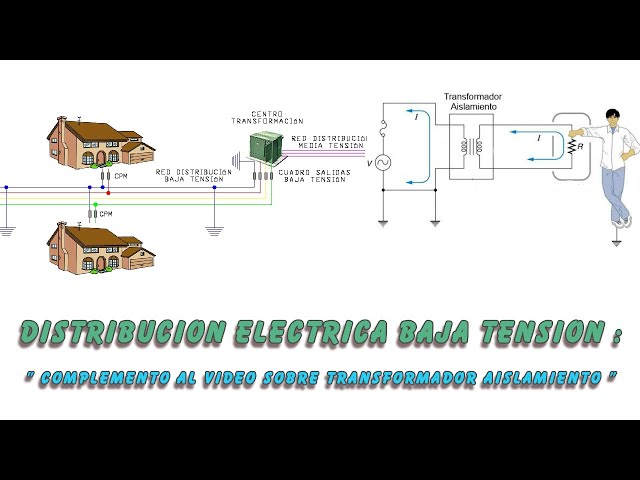
A single-phase isolation transformer diagram is a schematic representation of the electrical connections and components of a single-phase isolation transformer. It shows the primary and secondary windings, the core, and the terminals. The diagram can be used to understand the operation of the transformer and to troubleshoot problems.
There are many different ways to create a single-phase isolation transformer diagram. One common method is to use a ladder diagram. A ladder diagram is a type of electrical schematic that uses vertical lines to represent the power rails and horizontal lines to represent the components. The components are connected to the power rails by rungs.Another common method for creating a single-phase isolation transformer diagram is to use a block diagram. A block diagram is a type of schematic that uses blocks to represent the different components of the system. The blocks are connected by lines to show the flow of power and data.
The benefits of using a single-phase isolation transformer diagram include:
- It can help you to understand the operation of the transformer.
- It can help you to troubleshoot problems with the transformer.
- It can help you to design a new transformer.
Tips for creating a single-phase isolation transformer diagram:
- Start by drawing the primary and secondary windings.
- Add the core to the diagram.
- Connect the terminals to the windings.
- Label the components and the terminals.
- Check your diagram for accuracy.
Once you have created a single-phase isolation transformer diagram, you can use it to understand the operation of the transformer and to troubleshoot problems.
Key Aspects of Single-Phase Isolation Transformer Diagrams
Single-phase isolation transformer diagrams are essential for understanding the operation and troubleshooting of single-phase isolation transformers. They provide a visual representation of the electrical connections and components of the transformer. Here are six key aspects of single-phase isolation transformer diagrams:
- Components: The diagram shows the primary and secondary windings, the core, and the terminals.
- Connections: The diagram shows how the components are connected to each other.
- Operation: The diagram can be used to understand how the transformer operates.
- Troubleshooting: The diagram can be used to troubleshoot problems with the transformer.
- Design: The diagram can be used to design a new transformer.
- Safety: The diagram can be used to ensure that the transformer is safe to operate.
These six key aspects provide a comprehensive overview of single-phase isolation transformer diagrams. By understanding these aspects, you can use these diagrams to effectively understand, troubleshoot, design, and operate single-phase isolation transformers.
Components
Understanding the components of a single-phase isolation transformer is crucial for comprehending its operation and function. The diagram serves as a visual representation, displaying the primary and secondary windings, the core, and the terminals. These components play distinct roles in the transformer’s operation.
- Primary Winding: The primary winding is the coil that receives electrical power from the source. It is typically connected to the higher voltage side of the transformer.
- Secondary Winding: The secondary winding is the coil that delivers electrical power to the load. It is typically connected to the lower voltage side of the transformer.
- Core: The core is the magnetic circuit that links the primary and secondary windings. It is made of a ferromagnetic material, such as iron or steel.
- Terminals: The terminals are the electrical connections to the transformer. The primary terminals are connected to the source, and the secondary terminals are connected to the load.
By understanding these components and their interconnections, the diagram provides valuable insights into the operation of a single-phase isolation transformer. It enables engineers and technicians to analyze, troubleshoot, and design transformers effectively.
Connections
The connections between the components of a single-phase isolation transformer are crucial for its proper operation and functionality. The diagram provides a visual representation of these connections, allowing engineers and technicians to understand the flow of electrical power through the transformer.
In a single-phase isolation transformer, the primary winding is connected to the source of electrical power, typically the higher voltage side. The secondary winding is then connected to the load, which is the device or circuit that utilizes the electrical power. The core, which is made of a ferromagnetic material, serves as the magnetic link between the primary and secondary windings.
The connections between these components are essential for the transformer to function properly. If the connections are incorrect, the transformer may not be able to provide the desired voltage or current to the load, or it may even cause damage to the transformer or the connected equipment.
Understanding the connections in a single-phase isolation transformer diagram is therefore of utmost importance for its safe and efficient operation. By analyzing the diagram, engineers and technicians can ensure that the transformer is properly connected and that it will provide the desired performance.
Operation
The operation of a single-phase isolation transformer can be effectively understood by analyzing its diagram. The diagram provides insights into the behavior of the transformer under various load conditions and helps engineers and technicians optimize its performance.
-
Principle of Operation:
The diagram illustrates the fundamental principle of operation of a single-phase isolation transformer. It shows how the transformer transfers electrical energy from the primary winding to the secondary winding through electromagnetic induction.
-
Voltage Transformation:
The diagram demonstrates the voltage transformation capabilities of the transformer. It explains how the transformer can step up or step down the voltage level based on the turns ratio between the primary and secondary windings.
-
Current Transformation:
The diagram also shows how the transformer transforms the current flowing through the primary and secondary windings. It explains the inverse relationship between voltage and current transformation.
-
Load Behavior:
The diagram helps understand the behavior of the transformer under different load conditions. It shows how the transformer’s output voltage and current vary with changes in load impedance.
By analyzing the diagram, engineers and technicians can gain a comprehensive understanding of the operation of a single-phase isolation transformer. This knowledge enables them to design, troubleshoot, and maintain transformers effectively, ensuring their safe and efficient operation in various applications.
Troubleshooting
The connection between “Troubleshooting: The diagram can be used to troubleshoot problems with the transformer.” and “transformador de aislamiento monofsico diagrama” lies in the fact that the diagram provides a visual representation of the transformer’s components and connections, which can be invaluable when trying to identify and resolve issues with the transformer’s operation.
-
Identifying Faults:
The diagram can help identify faults in the transformer’s windings, core, or terminals. By comparing the actual readings with the expected values, technicians can pinpoint the location of the fault and determine the appropriate repair strategy.
-
Analyzing Overheating:
The diagram can assist in analyzing the causes of overheating in the transformer. By examining the current and voltage readings, technicians can determine if the transformer is overloaded or if there is an issue with the cooling system.
-
Checking Connections:
The diagram can be used to verify the correctness of the transformer’s connections. By ensuring that the primary and secondary windings are connected properly, technicians can prevent potential problems such as short circuits or open circuits.
-
Predictive Maintenance:
The diagram can be utilized for predictive maintenance purposes. By monitoring the transformer’s performance over time, technicians can identify potential issues before they become major problems, allowing for timely maintenance and extending the transformer’s lifespan.
Overall, the “transformador de aislamiento monofsico diagrama” provides a valuable tool for troubleshooting problems with single-phase isolation transformers. By understanding the diagram and its components, technicians can effectively diagnose and resolve issues, ensuring the safe and efficient operation of the transformer.
Design
The connection between “Design: The diagram can be used to design a new transformer.” and “transformador de aislamiento monofsico diagrama” lies in the fundamental role that the diagram plays in the design process of a single-phase isolation transformer.
The diagram serves as a blueprint for the transformer’s construction, providing detailed information about the electrical connections, component specifications, and physical layout. Engineers and designers rely on the diagram to ensure that the transformer meets the required electrical and performance characteristics.
By analyzing and interpreting the diagram, engineers can determine the appropriate core size, winding configurations, and insulation materials for the transformer. The diagram also guides the selection of components, such as terminals, bushings, and cooling systems, to meet the desired voltage, current, and isolation requirements.
Furthermore, the diagram is crucial for optimizing the transformer’s efficiency, reliability, and safety. By carefully designing the transformer based on the diagram, engineers can minimize losses, reduce electromagnetic interference, and ensure that the transformer operates within safe temperature limits.
In summary, the “transformador de aislamiento monofsico diagrama” is an essential tool for designing new transformers. It provides a visual representation of the transformer’s components and connections, enabling engineers to create transformers that meet specific electrical and performance requirements.
Safety
The connection between “Safety: The diagram can be used to ensure that the transformer is safe to operate.” and “transformador de aislamiento monofsico diagrama” lies in the critical role that the diagram plays in ensuring the safe operation of single-phase isolation transformers.
The diagram provides a visual representation of the transformer’s components, connections, and operating parameters. By analyzing the diagram, engineers and technicians can identify potential safety hazards and take appropriate measures to mitigate them.
For instance, the diagram can be used to verify that the transformer is properly grounded, which is essential for preventing electrical shocks and fires. Additionally, the diagram can be used to check the insulation levels between the primary and secondary windings, ensuring that there is no risk of electrical breakdown.
Furthermore, the diagram can be used to assess the transformer’s cooling system, ensuring that it is adequate to prevent overheating and potential damage to the transformer. By carefully examining the diagram and adhering to the specified operating parameters, engineers and technicians can ensure that the transformer operates safely and reliably.
In summary, the “transformador de aislamiento monofsico diagrama” is an indispensable tool for ensuring the safe operation of single-phase isolation transformers. By understanding the diagram and its components, engineers and technicians can identify and mitigate potential safety hazards, preventing accidents and ensuring the longevity of the transformer.
Definition and Example: A single-phase isolation transformer diagram, or “transformador de aislamiento monofsico diagrama” in Spanish, is a schematic representation of the electrical connections and components of a single-phase isolation transformer. It shows the primary and secondary windings, the core, and the terminals, providing a visual representation of the transformer’s construction and operation.
Importance and Benefits: Single-phase isolation transformer diagrams are essential for understanding the functionality, troubleshooting, and design of single-phase isolation transformers. They provide valuable insights into the electrical connections, component specifications, and operating parameters of the transformer, enabling engineers, technicians, and students to analyze and optimize its performance.
Main Article Topics: This article will delve deeper into the key aspects of single-phase isolation transformer diagrams, including their components, connections, operation, troubleshooting, design, and safety considerations. By exploring these topics, we aim to provide a comprehensive understanding of these diagrams and their significance in the field of electrical engineering.
FAQs on Single-Phase Isolation Transformer Diagrams
Single-phase isolation transformer diagrams, or “transformador de aislamiento monofasico diagrama” in Spanish, are essential tools for understanding, troubleshooting, and designing single-phase isolation transformers. Here are some frequently asked questions (FAQs) about these diagrams:
Question 1: What is a single-phase isolation transformer diagram?
Answer: A single-phase isolation transformer diagram is a schematic representation of the electrical connections and components of a single-phase isolation transformer. It shows the primary and secondary windings, the core, and the terminals, providing a visual representation of the transformer’s construction and operation.
Question 2: Why are single-phase isolation transformer diagrams important?
Answer: Single-phase isolation transformer diagrams are important because they provide valuable insights into the electrical connections, component specifications, and operating parameters of the transformer. This information is essential for understanding the functionality, troubleshooting, and design of single-phase isolation transformers.
Question 3: What are the key components shown in a single-phase isolation transformer diagram?
Answer: The key components shown in a single-phase isolation transformer diagram include the primary winding, secondary winding, core, and terminals. These components are connected in a specific configuration to achieve the desired voltage and current transformation.
Question 4: How can single-phase isolation transformer diagrams be used for troubleshooting?
Answer: Single-phase isolation transformer diagrams can be used for troubleshooting by comparing the actual readings with the expected values. By analyzing the discrepancies, technicians can identify potential faults in the transformer’s windings, core, or terminals.
Question 5: Can single-phase isolation transformer diagrams be used for design purposes?
Answer: Yes, single-phase isolation transformer diagrams can be used for design purposes. Engineers rely on these diagrams to determine the appropriate core size, winding configurations, and insulation materials for the transformer. The diagrams also guide the selection of components to meet the desired electrical and performance characteristics.
Question 6: What safety considerations should be taken into account when using single-phase isolation transformer diagrams?
Answer: When using single-phase isolation transformer diagrams, it is important to ensure that the transformer is properly grounded to prevent electrical shocks. Additionally, the insulation levels between the primary and secondary windings should be checked to ensure there is no risk of electrical breakdown.
These FAQs provide a brief overview of the importance and applications of single-phase isolation transformer diagrams. By understanding these diagrams and their components, engineers, technicians, and students can effectively analyze, troubleshoot, design, and operate single-phase isolation transformers.
Next: Key Aspects of Single-Phase Isolation Transformer Diagrams
Conclusion
Throughout this article, we have explored the significance of “transformador de aislamiento monofasico diagrama,” or single-phase isolation transformer diagrams, in understanding, troubleshooting, and designing single-phase isolation transformers. These diagrams provide valuable insights into the electrical connections, component specifications, and operating parameters of the transformer, enabling engineers, technicians, and students to analyze and optimize its performance.
Single-phase isolation transformer diagrams are essential tools for various applications, including fault identification, predictive maintenance, and transformer design. By understanding these diagrams and their components, professionals can effectively ensure the safe and efficient operation of single-phase isolation transformers, which play a crucial role in various electrical systems.
Youtube Video: